TURBE OF GHAZİ OSMAN PASHA
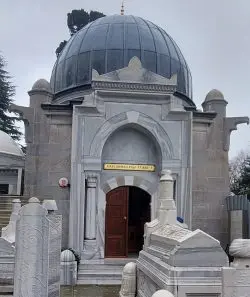
The real name of Ghazi Osman Pasha was Osman Nuri. His father was a clerk at İstanbul customs of timber Mehmed Effendi and his mother was Şakire Hatun. He had been educated at several military schools in Istanbul then crusaded…
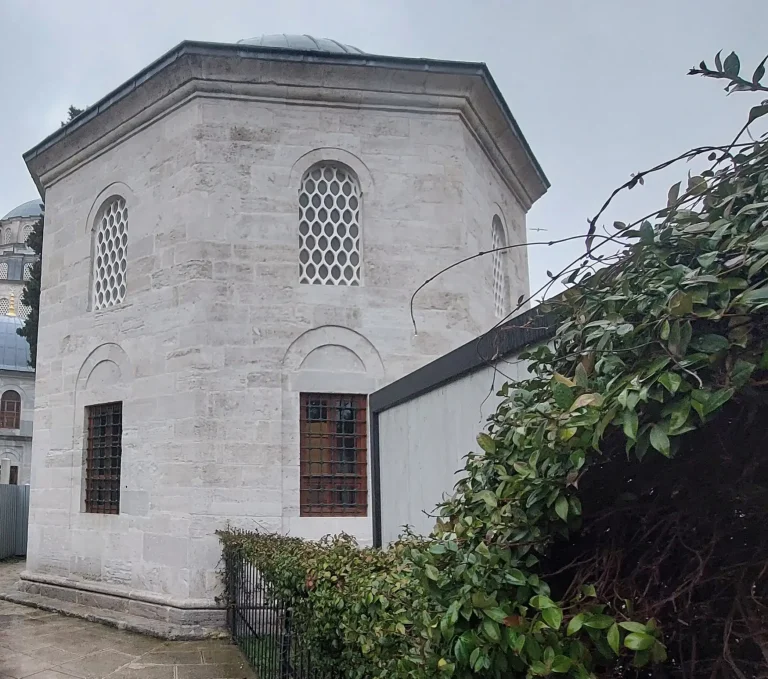
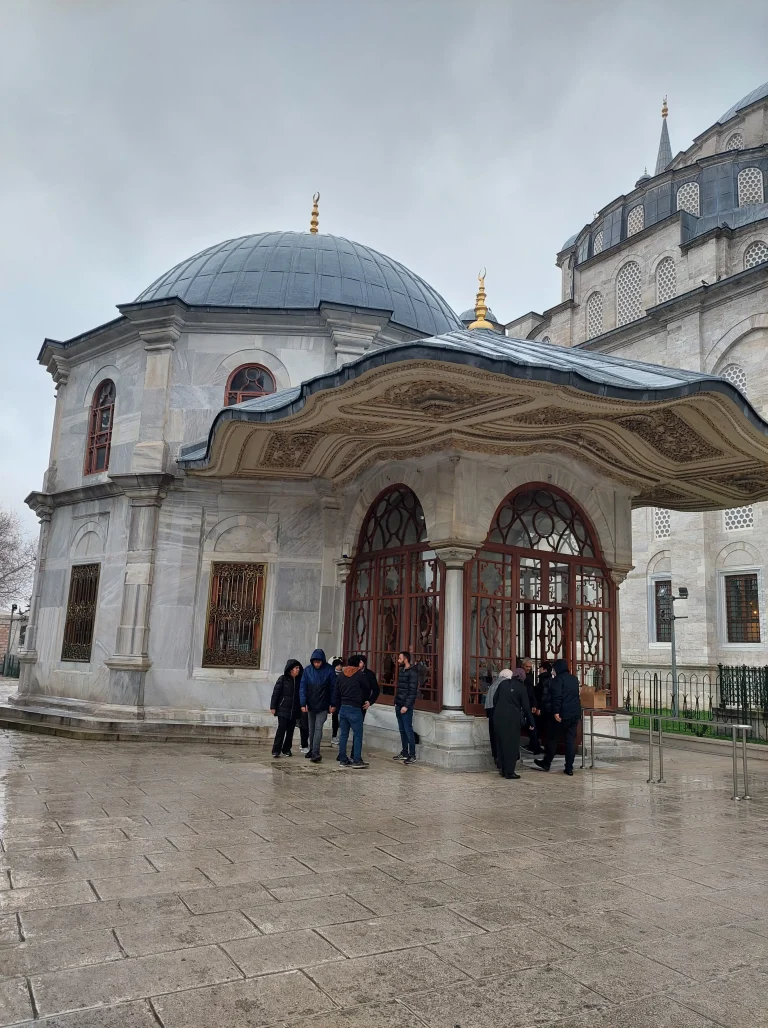
TURBE OF GÜLBAHAR HATUN

Known to arrive at the Ottoman Palace in 1446, Gülbahar Hatun is thought being of Albanian, Serbian or French origin. She was wife of Fatih Sultan Mehmet and mother of Sultan Bayezid II and Gevherhan Sultan. She moved to Amasya…

ABU’L WAFA KONAWI

He is one of the famous walis in Istanbul. His name is Mustafa bin Ahmad. He is also known as Muslihuddin. He is also called, Sheikh Wafa, Abu’l Wafa, or ibn-ul Wafa. He was born in Konya. His date of…

TURBE OF KOCA SİNAN PASHA

Koca Sinan Pasha was son of Ali from Albania. Despite his birth date is not known for certain, he is estimated to be born in 1520. After being governor of Kastamonu, Gaza and Nablus provinces, he served as beglerbeg (general…

GAZİ ATİK ALİ PAŞA MOSQUE

The mosque which is also called” Sedefciler Mosque” was built in 1496 by Atik Ali Paşa who is one of the stateman of sultan Bayezit II. periot. The plan of the mosque is composed of a place coverd with five…

YEŞİL MOSQUE

The mosque, built by Çelebi Sultan Mehmed in 1419-1420, is one of the mosques with a plan containing “┴ ” (tabhane (Imaret and resting place)-zawlyah). Architecture Its architect is Vezir Hacı Ivaz Pasha. The embroidery was made by Nakkaş Ali…

YEŞİL TOMB

The tomb was built by Celebi Sultan Mehmet. Its architect is Hacı İvaz Pasha. Its embroideries were made by Ali bin İlyas Ali and Mehmed el Mecnun. Apart from the south and north facades of the octagonal tomb, which continues…

GREEN (SULTANİYE) MADRASAH

MUSEUM The building of the Madrasa, which is used as the Turkish-Islamic Arts Museum today, was started by Çelebi Sultan Mehmed in 1414, but was opened to use in 1424.It is also known as the “Sultaniye Madrasa”. It is known…

SULTAN ABDÜLHAMİD II MUSEUM (Çit Pavilion)

The Çit Pavilion served as Sultan Abdülhamid II’s audience chamber, where he received ambassadors and other foreign diplomats. In keeping with this function, the building was magnificently furnished. All the interior walls were covered with dark red satin embroidered with…

error: